Get Mini Split Installation
Mini split installation services help property owners add or replace ductless cooling and heating systems for improved comfort in various residential or commercial spaces.
Mini split installation services are a practical solution for property owners looking to enhance comfort and energy efficiency. Whether upgrading an existing system or installing a new one, many in the area consider this work to improve climate control in various spaces. Exploring local contractors can provide options tailored to different property types, making it easier to plan and execute a project that meets specific needs.
Property owners often turn to mini split systems for added flexibility and convenience, especially in spaces where traditional HVAC setups are less practical. By comparing local service providers, individuals can identify experienced contractors capable of handling the installation process effectively. Continuing to explore available options can help ensure the right professionals are chosen to support your project goals.
- Mini Split Installation - when upgrading or adding heating and cooling options to individual rooms or zones.
- Mini Split Replacement - for replacing outdated or malfunctioning ductless systems.
- Mini Split Maintenance - to ensure optimal performance and efficiency of existing units.
- Mini Split Troubleshooting - when experiencing uneven temperatures or system failures.
- Mini Split System Upgrades - to improve energy efficiency or expand cooling capacity in a space.
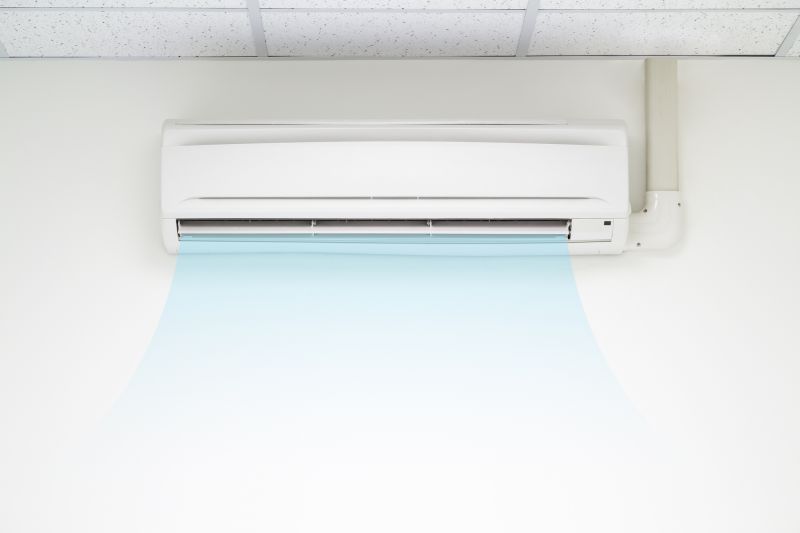
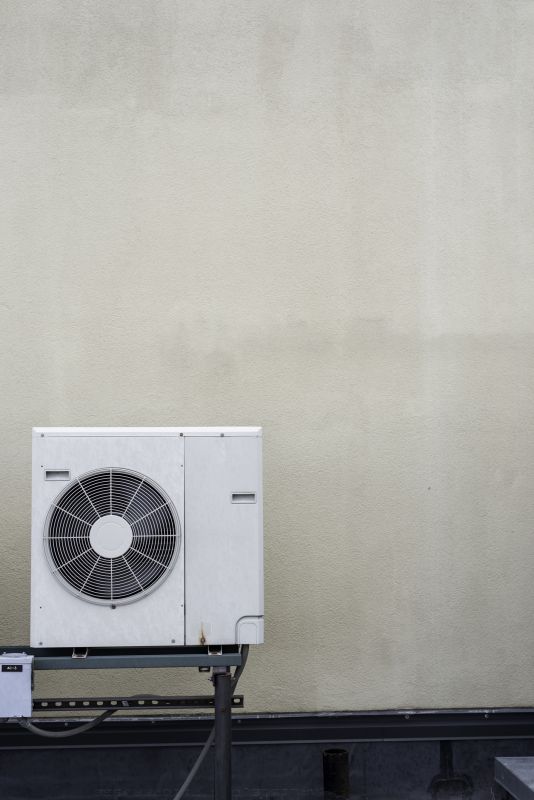

Mini split installation services involve setting up ductless heating and cooling systems that provide efficient climate control for various spaces. These systems consist of an outdoor compressor unit connected to one or more indoor air handlers, allowing for targeted temperature management without the need for extensive ductwork. Professional installers ensure that the units are properly mounted, connected, and configured to operate smoothly, offering homeowners a reliable way to improve comfort in individual rooms or zones.
This service is particularly useful for addressing uneven temperatures, high energy bills, or the need for supplemental heating and cooling in specific areas. Mini splits are often chosen to upgrade older homes, add climate control to converted spaces like garages or basements, or provide cooling in homes without existing ductwork. They can also serve as an efficient solution for room additions or renovations where extending traditional HVAC systems is impractical or costly.
Properties that frequently utilize mini split installation include single-family homes, apartments, and small commercial spaces. Homeowners seeking flexible and efficient climate control often opt for these systems because they can be installed quickly and do not require major renovations. Commercial property owners may choose mini splits to heat or cool individual offices or retail spaces, especially in areas where traditional HVAC systems are difficult to retrofit or maintain.
Homeowners who experience hot spots or cold spots within their property might consider mini split installation as a way to improve comfort and energy efficiency. Additionally, those looking for a quieter, space-saving alternative to traditional central air conditioning and heating systems may find these ductless units ideal. Local service providers can evaluate the property’s needs, recommend suitable systems, and handle the installation process to ensure proper operation and performance.
The overview below groups typical Mini Split Installation projects into broad ranges so you can see how smaller, mid-sized, and larger jobs often compare in your area.
In many markets, a large share of routine jobs stays in the lower and middle ranges, while only a smaller percentage of projects moves into the highest bands when the work is more complex or site conditions are harder than average.
Smaller Repairs - Minor fixes or small component replacements typically cost between $250 and $600. Many routine repair jobs fall within this range, depending on the parts needed and the system's complexity.
Standard Installation - Installing a new mini split system usually ranges from $1,500 to $3,500. Most projects of this type are completed within this band, though larger or more custom setups can push costs higher.
Full Replacement - Replacing an existing mini split with a new unit generally costs between $2,000 and $5,000. Larger, more complex projects can reach $6,000 or more, but these are less common.
Additional Costs - Extra expenses such as ductwork, electrical upgrades, or permits can add $500 to $2,000 or more. These costs vary based on the scope of work and local requirements, with many projects including some of these additional services.
Actual totals will depend on details like access to the work area, the scope of the project, and the materials selected, so use these as general starting points rather than exact figures.
Air Conditioning Installation - technicians who install mini splits often have experience with central AC systems, sharing skills in ductless system setup and electrical connections.
HVAC System Replacement - replacing outdated or inefficient heating and cooling units involves similar planning, tools, and knowledge of climate control equipment.
Ductless Heating Solutions - services that focus on ductless heating systems utilize comparable installation techniques and equipment handling as mini split setups.
Commercial Climate Control Installation - installing climate control systems in commercial spaces requires similar planning, wiring, and mounting skills as residential mini split projects.
Electrical Wiring and Panel Upgrades - many mini split installations involve electrical work, making electricians a key part of the process with overlapping skill sets.
Indoor Air Quality System Installation - setting up air purifiers or ventilation systems shares planning and installation skills with mini split services, focusing on indoor environment improvement.
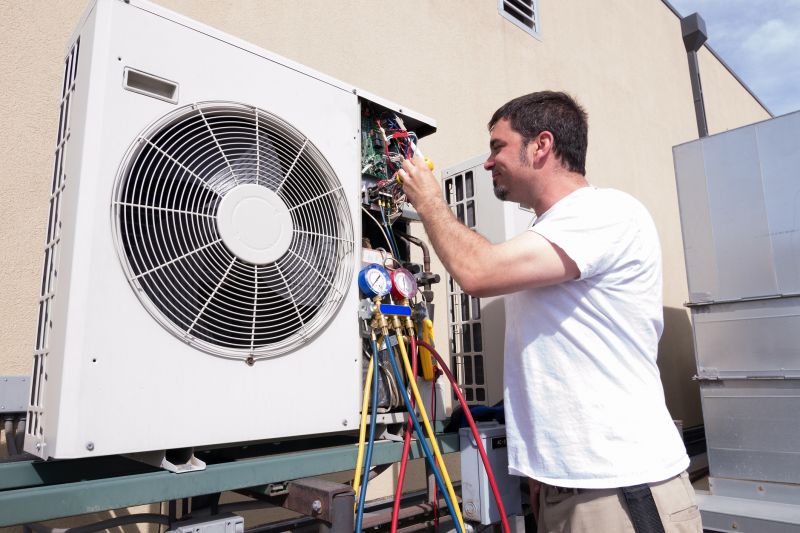
When comparing local contractors for Mini Split Installation, it’s important to consider their experience with similar projects. Homeowners should look for service providers who have a proven track record of successfully installing mini split systems in homes comparable to their own. An experienced contractor will understand the nuances of different home layouts, existing infrastructure, and specific system requirements, helping to ensure the installation is performed efficiently and correctly. Asking for details about past projects or seeking references can provide insight into their familiarity with mini split systems and their ability to handle the unique challenges that may arise.
Clear, written expectations are crucial when evaluating potential service providers. Homeowners should seek contractors who can provide detailed estimates and scope of work that outline each step of the installation process, including any preparatory work, equipment placement, and post-installation considerations. Having this information in writing helps prevent misunderstandings and ensures everyone is aligned on what the project entails. It’s also beneficial to clarify warranties, guarantees, or follow-up support offered, so expectations are transparent from the outset.
Effective communication and reputable references are key indicators of a reliable service provider. Homeowners should prioritize contractors who are responsive and willing to answer questions thoroughly, demonstrating professionalism and transparency. Requesting references from previous clients can offer valuable insights into the contractor’s reliability, quality of work, and ability to meet deadlines. Ultimately, choosing a local contractor who communicates clearly and has positive references can lead to a smoother installation experience and greater confidence in the project’s outcome.
Property owners use Mini Split Installation services for practical projects around their homes and businesses. This guide focuses on everyday jobs and straightforward project options.
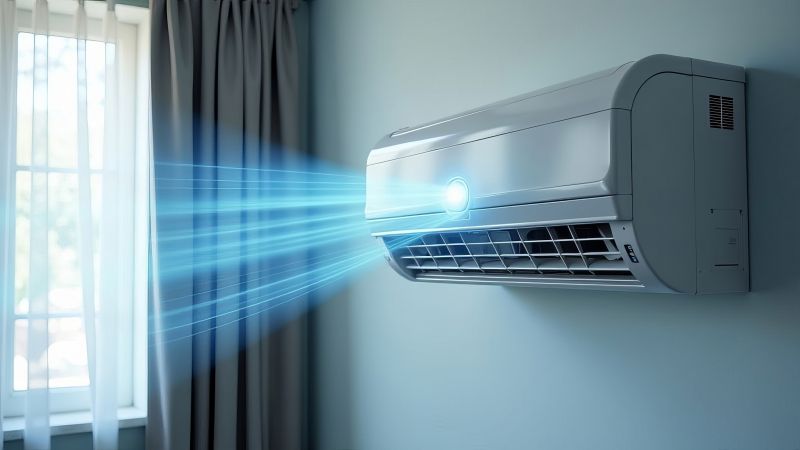
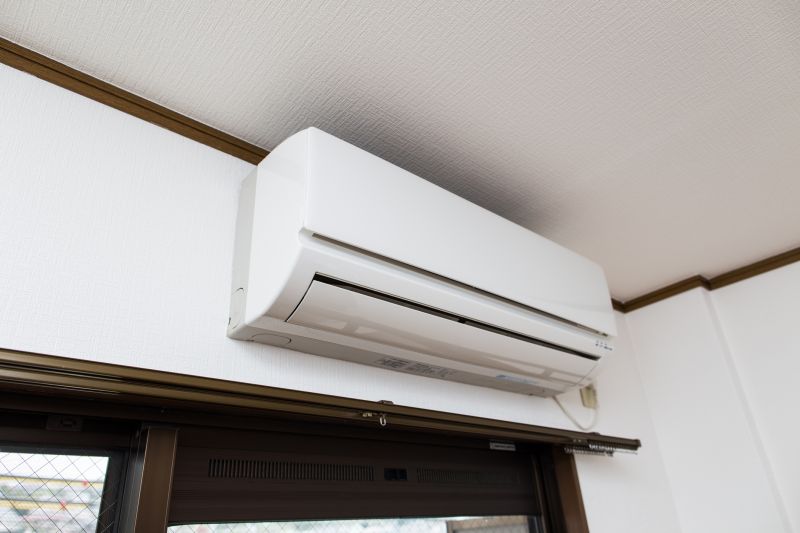
Mini split installation services are often sought by property owners who want to improve indoor comfort without extensive ductwork. Whether upgrading an older home, adding a new room, or replacing an outdated system, local contractors can help install these versatile heating and cooling units efficiently. Property owners may also look for mini split services when they need a flexible solution that allows for zone-specific temperature control, making it easier to customize comfort in different areas of a property.
Additionally, many property owners consider mini split installation when seeking an energy-efficient alternative to traditional HVAC systems. Local service providers can assist with installing systems that help reduce energy consumption and lower utility bills. Whether for a residential space or a commercial property, these projects are common for those wanting a straightforward way to enhance indoor climate control with minimal disruption.
What are the benefits of installing a mini split system? Mini split systems can provide efficient heating and cooling for specific areas, offering flexible installation options and individual zone control.
How do I know if a mini split is suitable for my space? Local contractors can assess your space to determine if a mini split system is a practical solution based on your heating and cooling needs.
What is involved in the installation process? Installation typically includes mounting the indoor unit, connecting it to the outdoor unit, and ensuring proper refrigerant and electrical connections, handled by experienced service providers.
Can a mini split system be added to an existing HVAC setup? Yes, many local contractors can integrate mini split units with existing systems or install them as standalone solutions, depending on your requirements.
What maintenance is required for a mini split system? Regular filter cleaning and periodic professional inspections are recommended to keep the system operating efficiently, which local service providers can assist with.
Improve Indoor Comfort - Property owners can enhance the comfort of specific rooms or zones by installing mini splits in areas that need temperature control.
Upgrade Existing Systems - Homeowners may choose to replace outdated or inefficient cooling units with modern mini split systems for better performance.
Add Cooling in New Spaces - When finishing or renovating a basement, attic, or addition, property owners can consider installing mini splits for effective climate control.
Reduce Energy Usage - Installing mini splits can help property owners manage energy consumption by cooling only the rooms in use, rather than entire homes.
If you are thinking about Mini Split Installation for a property, this guide is meant to help you understand the work, the typical project types, and how different options might fit your plans.
When you are ready, you can use the quote form on this page to share a few details about your project. From there, local pros can review the basics and respond with options that match what you have in mind.